
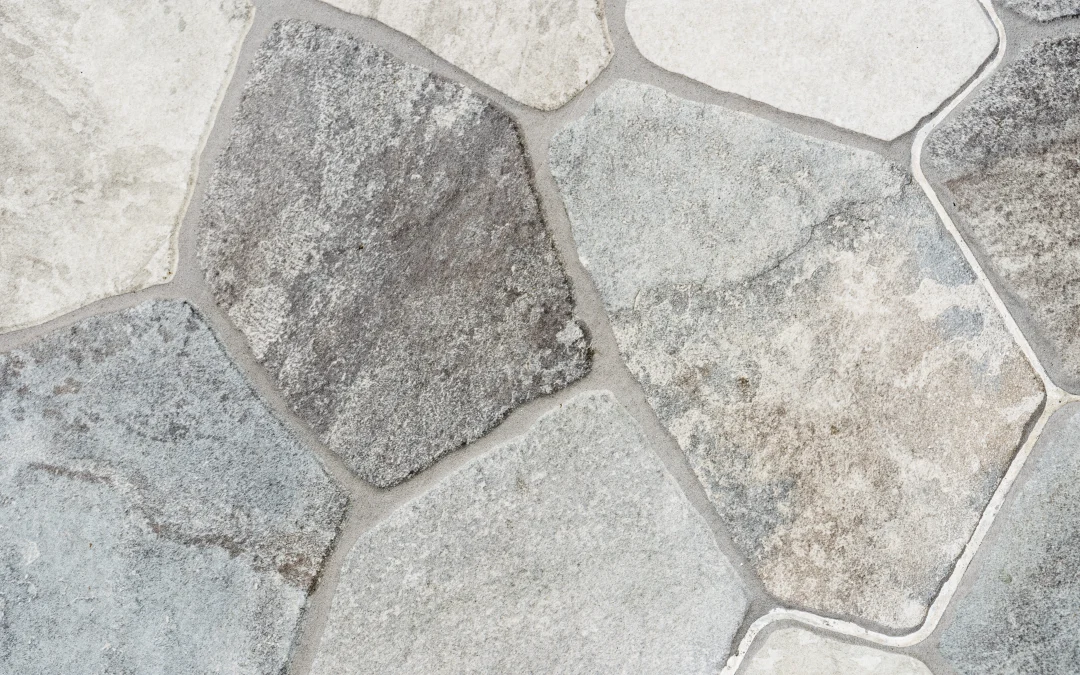
Homogeneous tiles are one of the most common floor tiles in Malaysia. You will find them in terrace houses and condominiums, in shops and offices, in hospital corridors and in car porches. The reason is simple: they are hard-wearing, they absorb very little water and a chip does not show a different colour underneath.
This guide explains what homogeneous tiles are, how they compare with other tile types, which finish to choose and where they work best.
What are homogeneous tiles?
A homogeneous tile is a type of porcelain tile in which the colour and material are the same all the way through the body. It is sometimes called full-body porcelain. Fine clay and minerals are pressed under high pressure and fired at very high temperatures, which produces a dense tile that absorbs very little water.
The key difference from a glazed tile is that there is no separate decorative layer on top. On a glazed tile, the colour and pattern sit in a thin glaze over a plain body. On a homogeneous tile, the colour runs right through. If the surface is chipped or worn down after years of foot traffic, what shows underneath is the same colour.
You may also see the spelling “homogenous tiles”. It refers to the same product.
The advantages
Very hard-wearing
Homogeneous tiles take heavy foot traffic, dragged furniture and trolleys better than most tiles. That is why they are the standard choice for shops, offices and public buildings.
Chips and wear do not show
Because the colour is the same all the way through, small chips and surface wear are far less visible than on a glazed tile, where a chip exposes the plain body below.
Low water absorption
Their dense body absorbs very little water, which suits Malaysia’s humid climate, wet kitchens, bathrooms and outdoor areas.
Easy to maintain
Regular sweeping and mopping are usually enough. Matt and textured homogeneous tiles also hide everyday dirt well.
The disadvantages
- A narrower design range. Because the colour runs through the body, homogeneous tiles come mainly in solid colours, speckled “salt and pepper” patterns and stone effects. For marble veining, timber or detailed patterns, glazed porcelain offers far more choice.
- Harder to cut. The dense body needs a good cutter and an experienced tiler, which can add to labour time.
- Polished versions can be slippery when wet. The polished finish is beautiful indoors but not suitable for wet areas.
How homogeneous tiles compare with other tile types
Homogeneous vs ceramic tiles
Ceramic tiles are lighter, easier to cut and usually more affordable, which makes them a good choice for walls and light-use floors. They absorb more water and are less hard-wearing, and a deep chip shows the clay body beneath the glaze. For floors with heavy use, homogeneous is the stronger choice.
Homogeneous vs glazed porcelain tiles
Both have a dense porcelain body. Glazed porcelain carries a printed glaze on top, which gives it a far wider range of looks, such as marble, wood and concrete. Homogeneous tiles win on wear, because there is no glaze to wear through. For most rooms in a home, either works well; for heavy traffic and commercial use, homogeneous has the edge. Our guide to ceramic, porcelain and homogeneous tiles compares all three in detail.
Homogeneous vs nano-polished tiles
Nano-polished tiles are polished tiles treated with a nano coating that fills the microscopic pores of the surface, giving a high gloss that resists stains. They look luxurious in living rooms and lobbies. The gloss needs more care, shows scratches more easily over time and is slippery when wet. Homogeneous tiles in a matt or lightly polished finish are the more practical everyday choice.
Which finish to choose
- Polished: a glossy, reflective surface for living and dining rooms, lobbies and showrooms. Not for wet areas.
- Matt: a soft, non-reflective surface for bedrooms, kitchens, bathrooms and corridors. Safer when wet and better at hiding marks.
- Textured or rough: a gripping surface for car porches, balconies, ramps and outdoor paths. Our anti-slip tiles guide explains the slip ratings to look for.
Common sizes
Homogeneous tiles are most often sold in 300 x 300 mm, 600 x 600 mm and 600 x 1200 mm. 600 x 600 mm is the everyday standard for Malaysian floors. Larger formats make a room look bigger with fewer grout lines, and smaller sizes suit bathrooms and areas that slope to a drain.
Where to use homogeneous tiles
- Living rooms and hallways: polished or matt, in 600 x 600 mm or larger. See our floor tiles page.
- Kitchens and wet kitchens: matt finish, which copes with water, oil and daily mopping. More in our kitchen tiles guide.
- Bathroom floors: matt or textured, never polished. Browse our bathroom tiles.
- Car porches, balconies and outdoor paths: textured homogeneous. Our outdoor tiles guide covers the installation details that prevent cracks.
- Shops, offices, restaurants and corridors: the classic use, thanks to their resistance to wear.
Caring for homogeneous tiles
- Sweep or vacuum grit regularly. Sand under shoes is what scratches a polished floor.
- Mop with water and a neutral tile cleaner. Avoid soap-heavy floor cleaners that leave a slippery film.
- Use felt pads under furniture on polished floors.
- Keep the grout clean. On a light floor, dark grout lines are usually the first thing that makes it look old. Our grout guide explains how to choose and care for it.
Are homogeneous tiles worth it?
For floors that work hard, yes. Homogeneous tiles last, they hide wear and they cope with Malaysian humidity and rain. Where design matters more than durability, such as a feature wall or a marble-look living room, glazed porcelain gives more choice. Many homes combine both.
See our range of homogeneous tiles.
Want to see homogeneous tiles in person? Compare the finishes side by side at our Sungai Buloh showroom, or work out how many you need first.
Frequently asked questions
Is homogeneous tile the same as porcelain?
It is a type of porcelain. The difference is that the colour runs through the whole tile, while glazed porcelain has a printed layer on top of a plain body.
Are homogeneous tiles slippery?
Polished homogeneous tiles can be slippery when wet. Matt and textured finishes are much safer and are the right choice for bathrooms, kitchens and outdoor areas.
Can homogeneous tiles be used outdoors?
Yes, in a textured, slip-resistant finish. They are one of the most common tiles for car porches in Malaysia.
Are homogeneous tiles good for bathrooms?
Yes, on the floor in a matt or textured finish. They absorb very little water and take daily wear well.
What is the most common homogeneous tile size in Malaysia?
600 x 600 mm is the most common for floors, with 600 x 1200 mm increasingly popular for living areas.