
Tiles Adhesive and Sealants
Tiles Adhesive That Holds in Wet Areas
Tiles adhesive is the bonding layer that holds a tile to the surface underneath it. Most of what is used in Malaysia is tile adhesive cement, a cement-based powder mixed with water and additives that grips far harder than the old sand-and-cement bedding, and stays put in wet, humid conditions.
We carry Mapei and Davco. Full guide to choosing the right grade is below the products.
-

Davco Ceramic Tile Cleaner 800
View product -
Davco Colour Grout – Floor and Wall Tile Joint Filler
View product -
Easy – Construction Adhesive
View product -
KERABOND PLUS
View product -
KERABOND T
View product -
KERAFLEX GREY
View product -
KERAFLEX MAXI S1
View product -
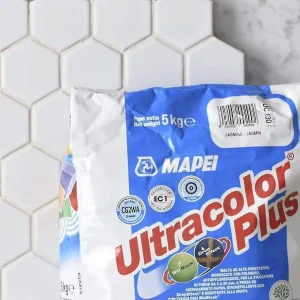
Mapei Grout Ultracolor Plus Jasmine 5kg Bag
View product -
MAPESET
View product



Buying guide
Choosing a Tiles Adhesive, and Why It Matters
A tile that lifts, sounds hollow when tapped or cracks along a joint is almost never a problem with the tile. It is the tiles adhesive underneath. Redoing it means pulling up finished work, so it is worth choosing properly the first time.
The Tiles Adhesive We Stock
We carry Mapei and Davco tiles adhesive, two names most Malaysian contractors already know and specify by default.
- Mapei Kerabond, Kerabond T and Keraflex. Cement-based tile adhesive cement for standard installations. Keraflex Maxi S1 is the flexible grade, used where the surface moves slightly, or where large-format and porcelain tiles need a thicker bed.
- Mapei Ultracolor Plus and Davco Colour Grout. Joint fillers for the gaps between tiles, in matching colours for floor and wall.
- Kastone Easy. A polymer-based construction adhesive that grips on contact, so a fixing holds itself in place while it cures.
- Davco Ceramic Tile Cleaner 800. Routine cleaner for tile, grout and masonry in showers and bathrooms.
Adhesive and grout are not the same thing
The adhesive goes under the tile and bonds it down. The grout goes between the tiles and fills the joint. A job needs both, and they are chosen separately: the adhesive by the tile and the surface it sits on, the grout by joint width and the colour you want to see.
How to Choose a Tiles Adhesive
- Match it to the tile. Porcelain and large-format tiles absorb almost no water, so they need a stronger or flexible grade rather than a basic mix.
- Match it to the surface. Concrete, render, plaster, existing tile and timber substrates each behave differently.
- Wet areas need the right grade. Bathrooms, kitchens, balconies and anywhere exposed to Malaysian humidity and rain are not the place for a general-purpose mix.
- Buy enough in one go. Coverage depends on tile size and notch trowel. Running short mid-job means a second batch that may not match.
If you are not sure which tiles adhesive a job needs, bring the tile specification and tell us what it is going onto. It is a short conversation and it prevents the expensive kind of mistake.
Choosing the tile at the same time? See porcelain floor tiles, homogeneous tiles, glazed porcelain tiles and wall tiles.
Common questions
What is the difference between tiles adhesive and grout?
The adhesive goes under the tile and bonds it down. The grout goes between the tiles and fills the joint. Every job needs both, and they are chosen separately: the adhesive by the tile and the surface it sits on, the grout by joint width and the colour you want to see.
Can I use ordinary cement and sand instead?
You can, and it is still done, but a modern cement-based tile adhesive grips considerably harder and stays put in wet, humid conditions. For porcelain and large-format tiles, which absorb almost no water, a proper adhesive is not optional.
Which adhesive do porcelain and large-format tiles need?
A stronger or flexible grade rather than a basic mix, because a dense tile gives the adhesive nothing to soak into and a big tile sits on a thicker bed. Keraflex Maxi S1 is the flexible grade for exactly this, and for surfaces that move slightly.
How much adhesive will I need?
Coverage depends on the tile size and the notch trowel, so it is worth working out before you buy. Get enough for the whole job in one go: running short mid-job means a second batch that may not behave identically.
Can I tile over existing tiles?
Sometimes, if the existing tiles are sound, well bonded and clean, and if the extra height does not cause a problem at doors and floor traps. It needs an adhesive suited to a non-absorbent substrate. Bring us the details before you buy.