
Shower Arms
Shower Arms for Wall and Ceiling
A shower arm is the pipe between the wall or ceiling outlet and the rain shower head, and it sets where the water lands. This category holds round wall arms, vertical ceiling arms and stainless steel arms in several finishes. The arm is small money next to the head, but it is chosen at the plumbing stage and it decides whether the rain falls over the standing spot or against the tiles. Pick the type and the length before the wall is closed.
-
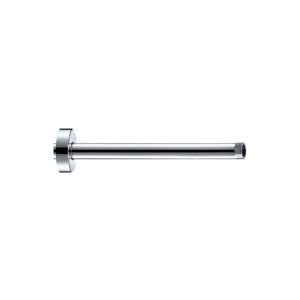
BRASS ROUND SHOWER ARM SRTSA625A
View product -
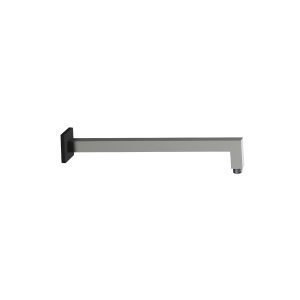
BRASS SHOWER ARM SQUARE SRTSA822
View product -

GUNMETAL CEILING SHOWER ARM SRTSA725A-GM
View product -
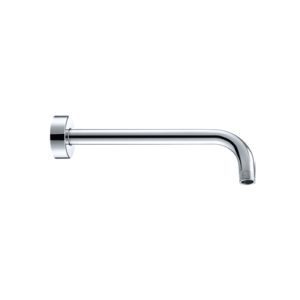
ROUND SHOWER ARM SRTSA830
View product -

ROUND VERTICAL SHOWER ARM SRTSA725A-FRG
View product -

SHOWER ARM ROUND S/STEEL SRTSA850-RG
View product -

SHOWER ARM ROUND S/STEEL SRTSA860-GM
View product -

SHOWER ARM ROUND SRTSA890-GY
View product
Buying guide
Choosing a Shower Arm for a Rain Shower Head
The shower arm sets where the water lands, so pick the length and the type before the plumber closes the wall.
Wall Shower Arm or Ceiling Shower Arm
A wall arm comes out of the wall. It screws into the overhead outlet and projects out into the shower, straight or with a slight rise, with the head on the end. It is the common choice because the outlet is in the same wall as the tap and needs no ceiling work.
A ceiling arm drops straight down. It needs a water outlet in the ceiling, which means a false ceiling or a chased slab, so it is a first-fix decision and usually a new-build or full-renovation one. The reward is a head directly overhead, which is what a true rain shower wants.
Length follows the head. A bigger rain shower head wants a longer arm so its centre sits over where you stand and not against the wall. Measure from the wall to where you will stand and choose the projection to match; a short arm on a large head puts half the spray on the tiles.
Match the section and the finish. A round arm with a round head, a square arm with a square head, in the same finish. Brass and stainless steel arms carry a heavy head without sagging; a thin-wall arm will droop under a large brass head over time.
Fitting and the Order of Work
Standard thread, into an elbow in the wall. The arm screws into a threaded elbow set into the wall at first fix. Half-inch is the usual size. The elbow must be solid in the wall, because the arm and head act as a lever on it every time someone knocks the head.
Height allows for the drop. The head hangs below the outlet by the arm's rise or drop plus the head's own thickness. Set the outlet height so the finished head clears the tallest user, and agree it with the plumber together with the shower tap height below it.
Seal the flange. The cover flange hides the hole in the tile. A bead of silicone at the top edge of the flange keeps water from running behind it into the wall.
Changing the arm later. A wall arm can be unscrewed and replaced without hacking, as long as the new one has the same thread. This is the easy way to move a head further from the wall in an existing bathroom. Exposed shower sets carry their own arm and do not need one.
Ceiling arms need access. The elbow above a ceiling arm sits in the ceiling void, so leave an access panel or accept that a leak means opening the ceiling. See the bathroom shower hub for how the arm, head and tap fit together.
Common questions
What is a shower arm?
A shower arm is the short pipe that carries water from the wall or ceiling outlet to a fixed shower head. Wall arms project horizontally from the wall; ceiling arms drop vertically from a ceiling outlet. It threads onto an elbow set in the wall or ceiling and the head threads onto its end.
How long should a shower arm be?
Long enough that the centre of the head sits over where you stand. Measure from the wall to your standing spot and choose a projection close to that; larger heads need longer arms. A short arm with a wide head sends much of the water down the wall.
Wall arm or ceiling arm?
A wall arm if the outlet is in the wall, which is the case in nearly every existing bathroom. A ceiling arm if you are at the plumbing stage with a false ceiling and want the head directly overhead. The ceiling version cannot be added to a finished bathroom without opening the ceiling.
Can I change the shower arm without hacking the wall?
Yes, a wall arm unscrews from the elbow in the wall and a new one screws in, provided the thread matches. Use thread tape, tighten by hand plus a little, and re-seal the flange. It is the usual way to move a head further out or to change its finish.
What thread does a shower arm use?
Half-inch is the common size on both ends in Malaysia, so most arms fit most heads and most wall elbows. Check the existing arm before buying if the bathroom is older or the fittings are imported.
Tell us the size of the head you are pairing it with and how far the standing spot is from the wall, and we can suggest an arm length.
Visit the showroom