
Bathroom tiles in Malaysia do two jobs at once: the floor has to stay safe when it is wet every day, and the walls have to shrug off steam, soap and the mould that comes with a humid climate. Itoli Ceramic carries porcelain, homogeneous, glazed porcelain, ceramic and wall tiles from Alpha, Guocera, White Horse, Venus and MOS, with Mapei and Davco adhesives to fix them. This page covers what suits the wet area, what suits the dry side, and what to confirm at the showroom.
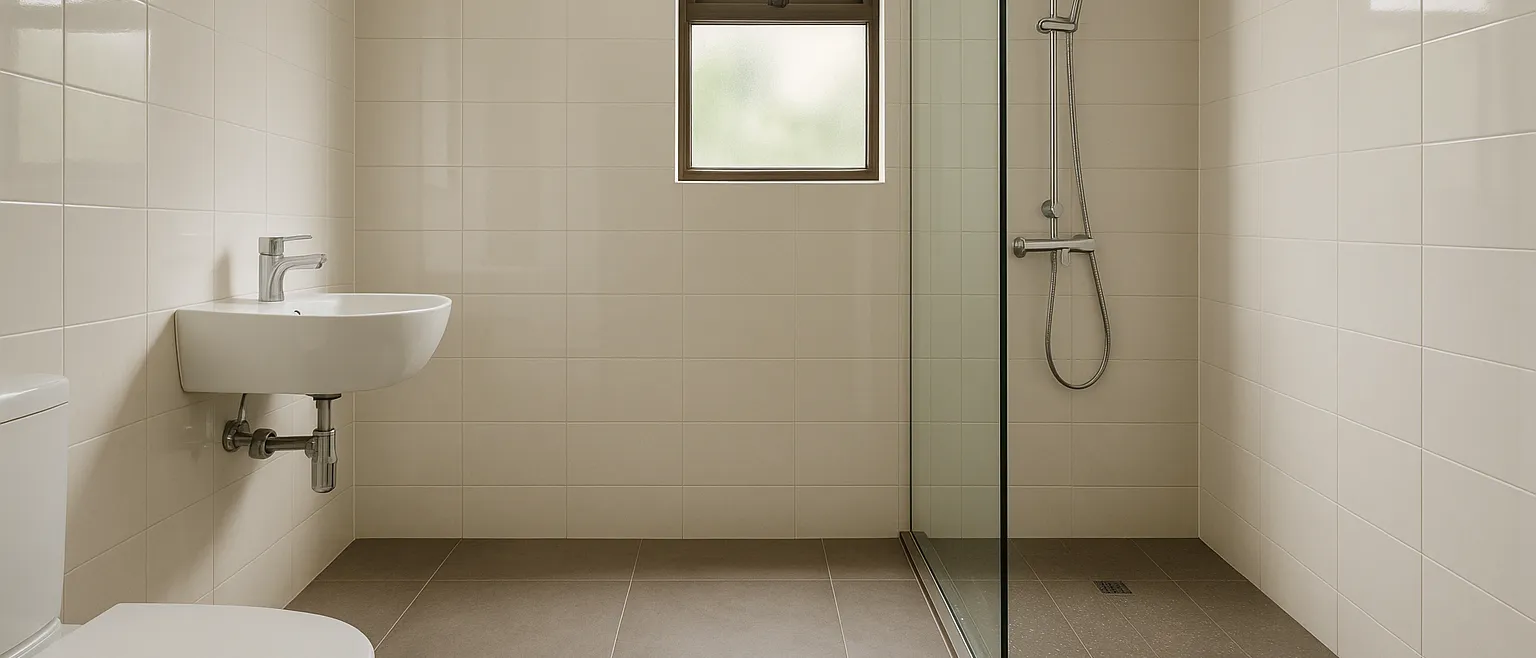
Shop bathroom tiles by material

Porcelain for the floor
Fired dense so it takes in very little water, porcelain is the usual bathroom floor choice in Malaysian homes. Alpha and Venus ranges.

Homogeneous for heavy use
The colour runs through the full body of the tile, so a chip on a busy family bathroom floor does not show a different colour underneath. Alpha and Guocera ranges.

Glazed porcelain and ceramic for the walls
Walls carry no foot traffic, so the choice is about the glaze: colour, gloss and how easily it wipes down. Guocera and White Horse in glazed porcelain; Alpha and White Horse in ceramic.
Bathroom floor tiles
The newest porcelain and homogeneous tiles in the range. Ask the showroom for the size and finish of any tile you shortlist.


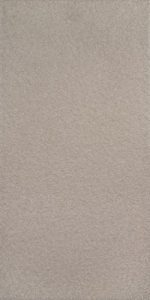


See all porcelain floor tiles · See all homogeneous tiles
Bathroom wall tiles
Glazed porcelain for the shower wall and the basin splashback, and the MOS wall tiles range for a feature strip or an accent wall.




See all glazed porcelain tiles · See all wall tiles · See all ceramic tiles
How to choose bathroom tiles in Malaysia
Split the wet area from the dry area
Most Malaysian bathrooms are one room with the shower at one end, and the tiles should follow that split. In the shower area, use a matt or textured floor tile in a smaller size; 300 x 300 is the usual choice, because the extra grout lines give grip and let the tiler fall the floor towards the trap. On the dry side, by the basin and the toilet, a 600 x 600 in a matt or satin finish is common and easier to keep clean. A kerb, a step or a glass screen between the two keeps the dry side dry.
Floor falls and the floor trap
A bathroom floor is laid to a slight slope so water runs to the floor trap, and that slope is set in the screed, not the tile. A large tile cannot follow a fall in two directions without lipping at the joints, which is the practical reason small tiles win in the shower area. Tilers in Malaysia quote labour per square foot, and a shower floor with cuts around the trap is usually quoted higher than the flat dry area, so ask for the two areas separately.
Grout, adhesive and the humid climate
Plain cement grout in a shower that never fully dries darkens with mould within a year, whatever tile sits around it. Ask the tiler for a mould-resistant or epoxy grout in the wet area, keep the joints narrow and even, and use a proper tile adhesive rather than a sand-and-cement bed: porcelain is too dense to bond well to mortar alone. Mapei and Davco are in the range under tile adhesives and sealants. Ventilation matters as much as the grout; a window or an extractor fan halves the problem.
Terrace house or condominium?
In a terrace house or bungalow, a ground-floor bathroom sits on solid ground and the screed can be built up for the fall without much concern for thickness. In a condominium the wet area sits above a neighbour, so waterproofing under the screed is not optional, the existing floor trap and the ceiling height limit how much screed can be added, and hacking old tiles is restricted to the hours the management allows. Bring the unit’s floor plan to the showroom.
Bathroom tile questions
What is the best tile for a bathroom floor in Malaysia?
A matt or textured porcelain or homogeneous tile, in 300 x 300 for the shower area and up to 600 x 600 on the dry side. Both materials take in very little water and stand up to daily soaking. Confirm the finish of the specific tile at the showroom, as the same design can be made in polished and matt versions.
Are polished tiles slippery in a bathroom?
Yes, when wet. Polished and glossy finishes belong on the wall or the dry side, not in the shower area. A matt, satin or textured finish gives grip underfoot; ask for the slip rating of the tile you are considering.
What size of tile suits a small bathroom?
On the wall, a 300 x 600 laid horizontally makes a narrow room feel wider, and a light colour with a matching grout hides the joints. On the floor, keep 300 x 300 in the shower area whatever the room size. Toilet tiles for a small separate WC follow the same rule: small on the floor, light on the wall.
Can I use the same tile on the bathroom floor and wall?
A floor tile can go on a wall, but a wall tile should not go on the floor: glazed wall tiles are thinner and not made to carry foot traffic or to grip when wet. For one look throughout, choose a floor-rated tile and use it on both surfaces, matt on the floor and polished on the wall if the range offers it.
Where can I see bathroom tiles in Malaysia before buying?
Itoli Ceramic’s showroom in Sungai Buloh, Selangor, displays the tile range next to the basins, showers and taps, so the floor, the walls and the sanitary ware can be matched under one roof. Monday to Saturday, 9:00 am to 5:30 pm.
How many tiles do I need for a bathroom?
Measure the floor and each wall separately, add 10 to 15% wastage for the cuts around the trap, pipes and door, and round up to whole boxes. The tile calculator gives the tile count; the box count is confirmed against the tile you choose.
Bring the room size to the showroom
Measure the floor and each wall, note where the trap and the door sit, and bring the numbers. The showroom shows tiles in full-size panels beside the basins, showers and taps, so a whole bathroom is matched in one visit. Doing the kitchen or living areas in the same job? See kitchen tiles and floor tiles, then bring every room size together.